


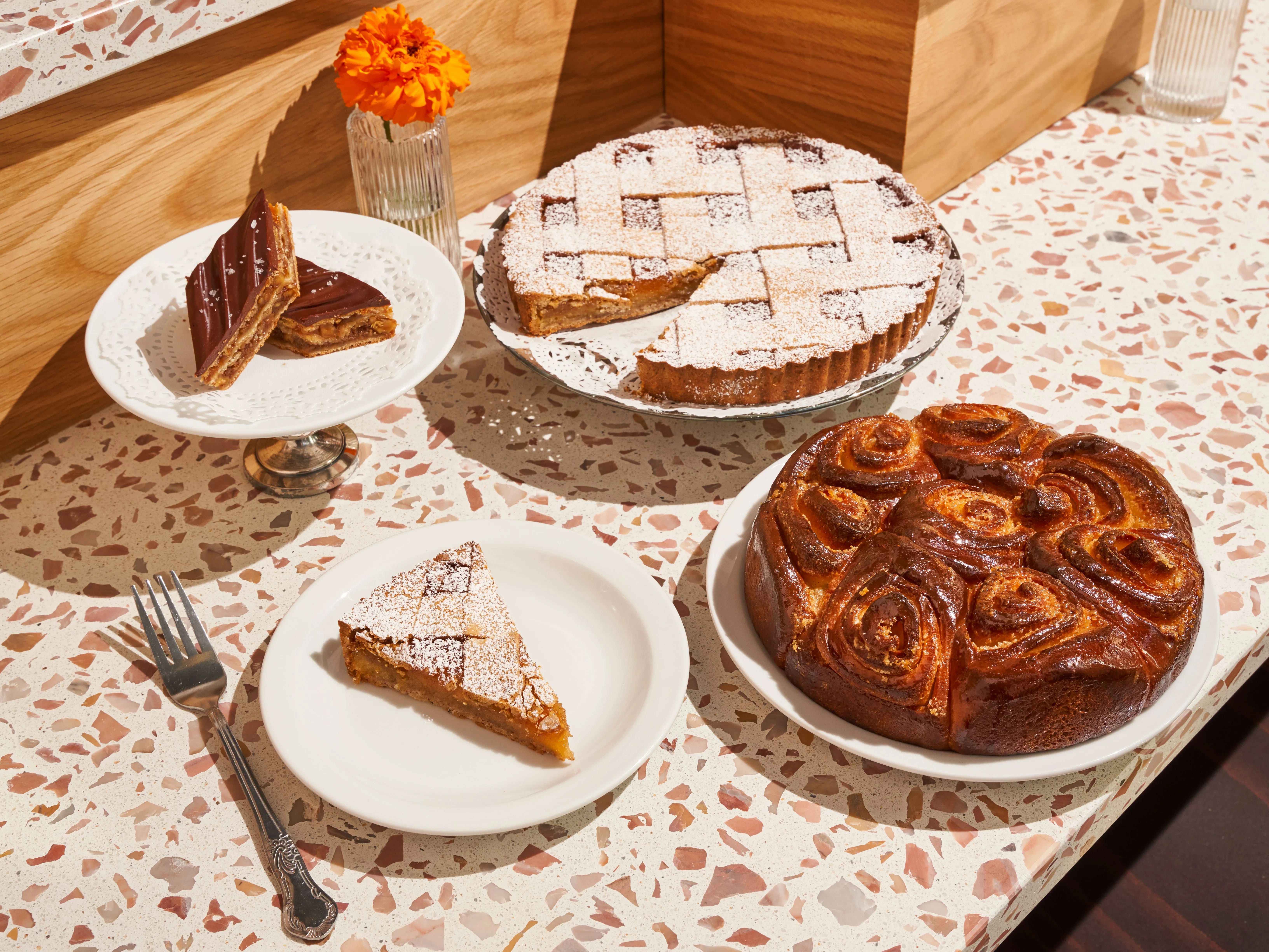
Welcome back. Today we’ve got a fun giveaway for a weekday dinner for two. We also have a candid discussion on why a restaurant owner has broken the taboo on being silent about financial troubles – and what customers can do to help. – Melissa
This week’s giveaway
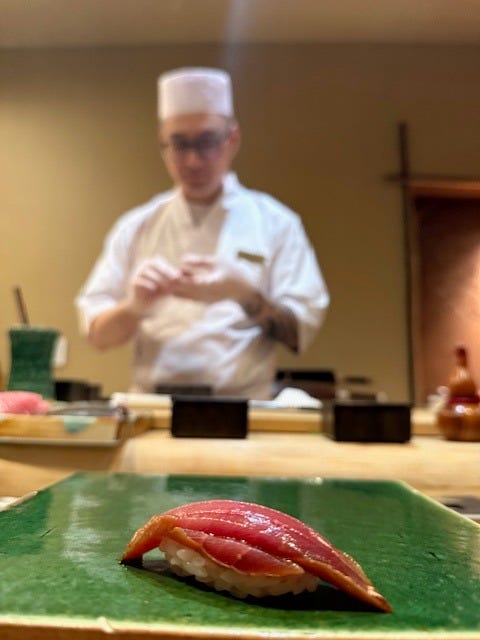
We’re giving away a dinner for two worth $258 at Sushi Ouji in Soho. I love the place. So does the New York Times, as it made this year’s Top 100 Restaurants. “It’s hard to find truly excellent experiences at the other end of the price scale. Sushi Ouji brilliantly fills the gap,” reads the review from Melissa Clark, who calls it “one of the best deals in the city.”
The giveaway covers the price of the omakases, not the drinks, and will be redeemable any Tuesday, Wednesday, or Thursday night. Like our last giveaway, I’ll be pulling names from the comments in response to the question: What’s your favorite sushi spot in NYC and why do you love it?
I”ll draw the name of the winner next Wednesday at 10 a.m. and will reach out to the winner over Substack DM.
NO PURCHASE NECESSARY. VOID WHERE PROHIBITED BY LAW. Sweepstakes begins at 9 a.m. ET on 10/17/2025 and end at 10:00 a.m. ET on 10/22/2025. Open to Eater NY Substack subscribers (free) that are legal residents of the 50 U.S. states and Washington D.C., of legal age of majority and have access to the internet, and a valid email address. Odds of winning depend on number of eligible entries received. Subject to Official Rules, additional eligibility restrictions apply. Sponsor Privacy Policy. Sponsor: Vox Media, LLC, 1701 Rhode Island Ave., Washington DC 20036
A word from Agi’s Counter on why the beloved Crown Heights spot is struggling — and what might save it
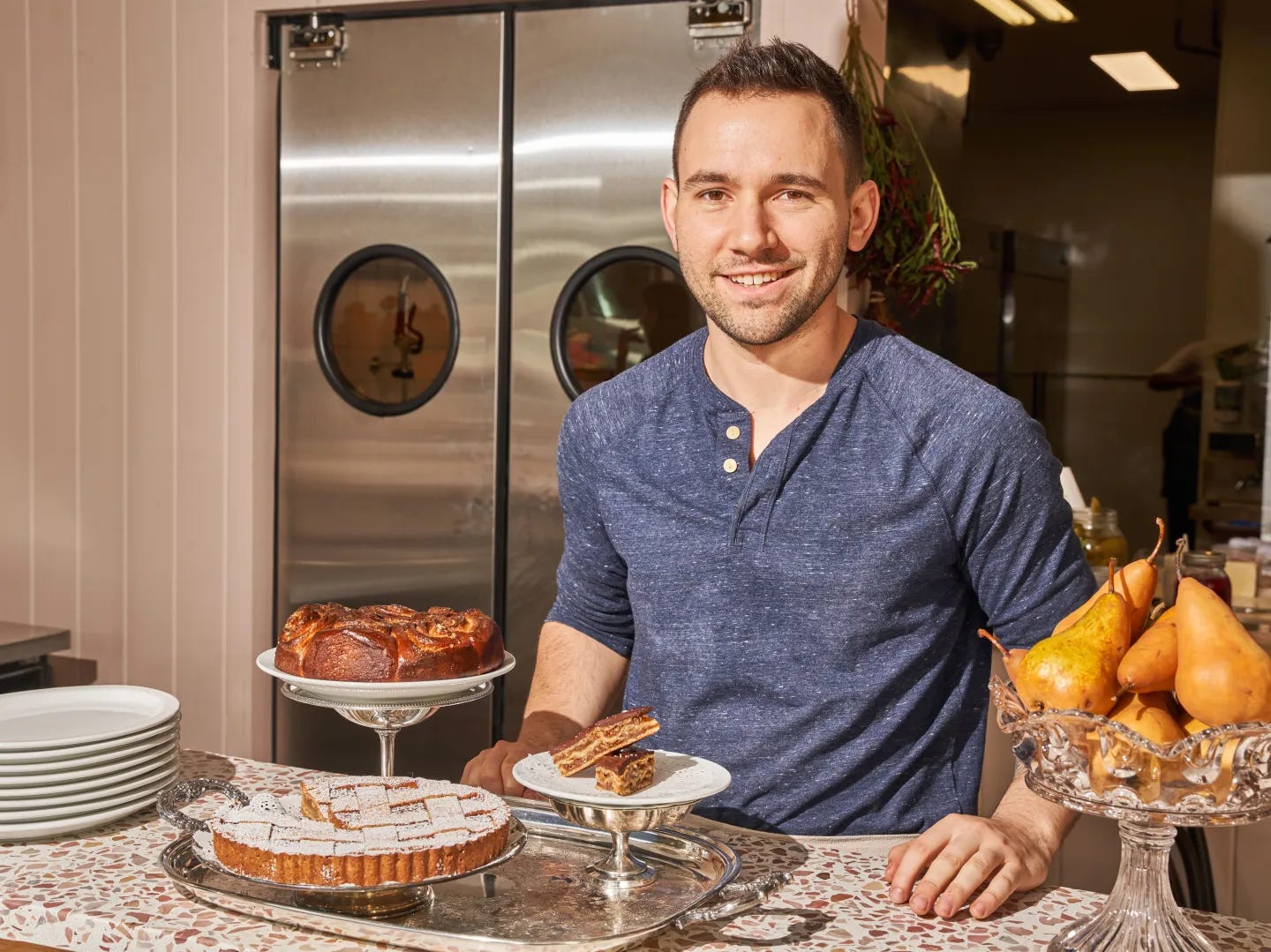
Agi’s Counter, the pandemic-era Crown Heights cafe, has had a rough year. Co-owner Jeremy Salamon says the 28-seat, all-day setup that built a loyal following is now squeezed by rising costs, staffing challenges, and the limits of a tiny room that’s busier at lunch than dinner. After posting candidly on Instagram about the situation, he spoke with me about why he went public, how costs have forced painful menu decisions, and what kind of help could keep Agi’s going.
Melissa McCart: You said the quiet part out loud on Instagram. Why go public about the struggle?
Jeremy Salamon: There are daily struggles: food costs, labor, not enough labor, too much labor — all of that. It’s been a really challenging summer for us. Personally, it really put us down and it was hard to recover. I finally reached a point at home where I thought: why isn’t anyone talking about their struggle openly? You get trapped in your own bubble and forget others are going through the same thing. I wasn’t mad or frustrated anymore — I was sad. Mentors and other chef-owners have told me, “You don’t talk about financial struggles,” and I think that’s silly. It’s always been hard to operate, but right now it’s especially hard, for a lot of reasons. Since posting, many people have said, “I had no clue you were struggling,” because from the outside it looks vibrant — colorful Instagram — but internally everyone’s hurting.
I finally reached a point at home where I thought: why isn’t anyone talking about their struggle openly?
McCart: How much does space have to do with it?
Salamon: Agi’s has outgrown itself because we don’t have enough seats (there are 28 seats). I’ve gotten messages since the video: “I had to wait an hour for brunch — just add more seats.” I can’t move walls. We experimented with seven days a week versus five. We were lunch only, then added dinner. We became known for lunch, but lunch doesn’t bring in as much money. We had beer and wine for four years; now we’re adding a liquor license. The space isn’t built for a bar, so we do pour-over [coffee] and batched cocktails. It’s basically an all-day restaurant, which means high labor. We don’t want to lose daytime — that’s our identity — but the numbers don’t add up.
McCart: Are labor and ingredient costs factors?
Salamon: Definitely. Our Pullman bread is the blood of the restaurant. We’re a breakfast place and cook a lot of eggs — like 10 different ways. When egg prices spiked, we reassessed the menu. We pulled a beloved Hungarian biscuit called a pogácsa. It sold, but between labor and egg costs, the numbers didn’t work. People sent ransom-style notes — “Bring back the pogácsa and no one gets hurt” — funny but also kind of scary. It’s been a wild ride.
We pulled a beloved Hungarian biscuit called a pogácsa. It sold, but between labor and egg costs, the numbers didn’t work. People sent ransom-style notes — “Bring back the pogácsa and no one gets hurt.”
McCart: How does Crown Heights compare to the other location, Pitt’s in Red Hook?
Salamon: The neighborhoods differ. Crown Heights has a lot of people — above us, around us — a lot of young renters, more families near the park. Agi’s is in a weird spot just below Eastern Parkway. It has a great sense of community, but not everyone crosses Eastern Parkway. We’re also a destination because of the Botanic Garden and Brooklyn Museum, but they’re seasonal, so it’s a bizarre mix. We moved the bakery to a space that used to be Fort Defiance — it had a bakery area and also came with a restaurant. Red Hook is quieter and more of a destination town; the restaurant there relies more on locals than Agi’s does. Everyone knows your name; all the neighbors are in each other’s business, for better or worse. We’re still experiencing our firsts: first holidays, first slow season, first fall, first winter coming up. Because Agi’s is struggling, the bakery isn’t getting what it would need. It’s hard to figure out where it’s all going.
McCart: I want to mention your best sellers at Agi’s — what are they?
Salamon: The tuna melt and the cheesecake. They kind of compete.
McCart: What makes the cheesecake such a hit?
Salamon: It’s a great cheesecake. On a really good day we might sell around 62 melts. There are days we pull extra cheesecake; we might sell 40 slices on a very profitable day. Our opening pastry chef loved Junior’s cheesecake — that was the inspiration. There’s olive oil and lemon to cut the richness. It’s really well executed and simple — that combo makes it awesome.
McCart: If there’s a call to action for Agi’s, what is it? How can people help?
Salamon: In the 24 hours after posting, people were amazing: buying gift cards, whole cheesecakes, whole loaves, coming with larger parties, asking to host birthdays. That’s fantastic — please keep doing it. But Agi’s is, as my partner Michael says, an expensive, successful proof of concept. It’s special to a lot of people in just four years — families, grandparents, engagements, even a wedding. I want to keep Crown Heights. But this current iteration isn’t sustainable. Even if we go back to seven days to spread labor and salaries, even if we raise prices slightly or a lot, it only moves the needle so far. Something big has to change: a partner or a group with resources who sees the value in the Agi’s Counter brand and what it can be. There may be opportunities I’m not even thinking of. Our bubble only reaches so far; we’re grinding every day just to get by. People say, “Don’t you know restaurant people?” I do, but I don’t have those connections. Sometimes you just have to put it out into the universe and ask for help, or people won’t know.
McCart: Would your advice to other restaurants be similar — say it out loud so we can talk about solutions together?
Salamon: Yes. This moment is different from five, ten, twenty years ago. The problems — and solutions — are different. If small operators had a more public platform to talk about this, the public would understand that things aren’t as glossy as they look. It would help to not feel alone or crazy. Often your favorite neighborhood spot just slaps a [closing] notice on the door. Everyone’s situation is different, but so many people say, “I wish I knew earlier.” That flipped a switch for me.
We’re not closing tomorrow or next week, but we’re at a pivotal moment where we could turn things around if people know. Maybe someone will say, “Let me show you something; let’s talk.” Making that visible brings opportunities forward.
Nami Nori. We have a family member with Celiac and a nut allergy, and it’s a gluten-free, nut-free place.
Hibino in Cobble Hill will always have my heart—it's affordable enough to be a neighborhood spot, but miles above your standard delivery sushi. Their housemade tofu made me a tofu person.